
Category: Nootropics
-

Huperzine A is the same drug class as donepezil; stacking it with a prescribed cholinesterase inhibitor is additive and untested.
-

Citicoline vs alpha-GPC: both are choline donors, but alpha-GPC’s trials are almost all in dementia at 1,200 mg and it carries a stroke signal.
-

L-theanine has one robust finding: faster choice reaction time at hour one, from a 16-trial meta-analysis. It is not a memory agent.
-

Panax ginseng and cognition: Cochrane found no convincing effect in healthy adults, and it interacts with warfarin and diabetes medication.
-

Curcumin and memory: the trials that found an effect used bioavailability-enhanced forms like Theracurmin, not kitchen turmeric.
-

Vitamin D and cognition: observational studies link low levels to dementia risk, but randomized trials including VitaMIND found no cognitive benefit.
-
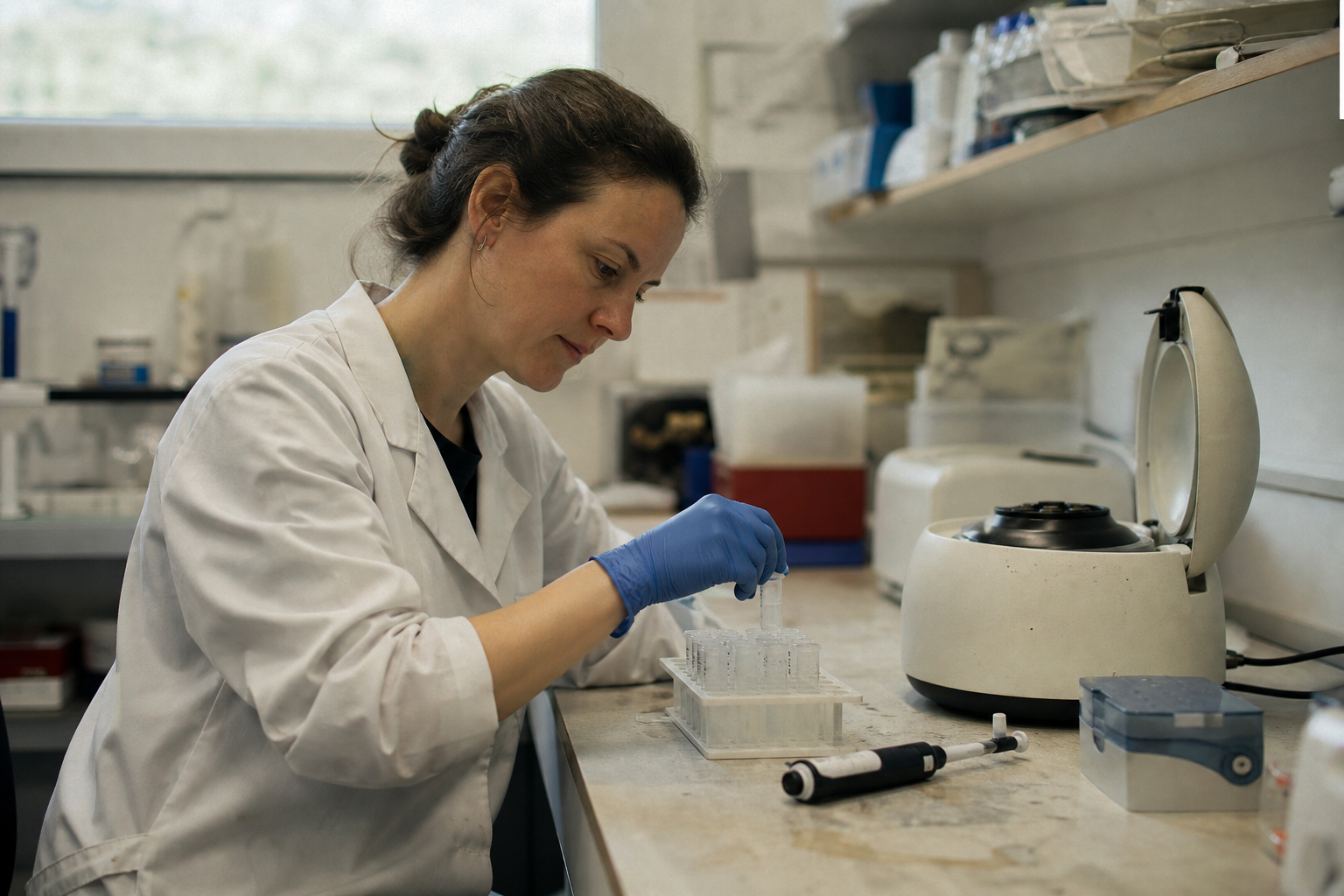
Folate and B vitamins did not slow cognitive aging across 11 trials and 22,000 people, but one subgroup with high homocysteine did benefit.
-

Vitamin B12 deficiency can cause real, sometimes reversible cognitive symptoms, but supplementing people who are already replete does nothing.
-

Rhodiola rosea trials used 200-600 mg a day of extract standardized to 3% rosavins, mostly for fatigue rather than for memory or cognition.
-
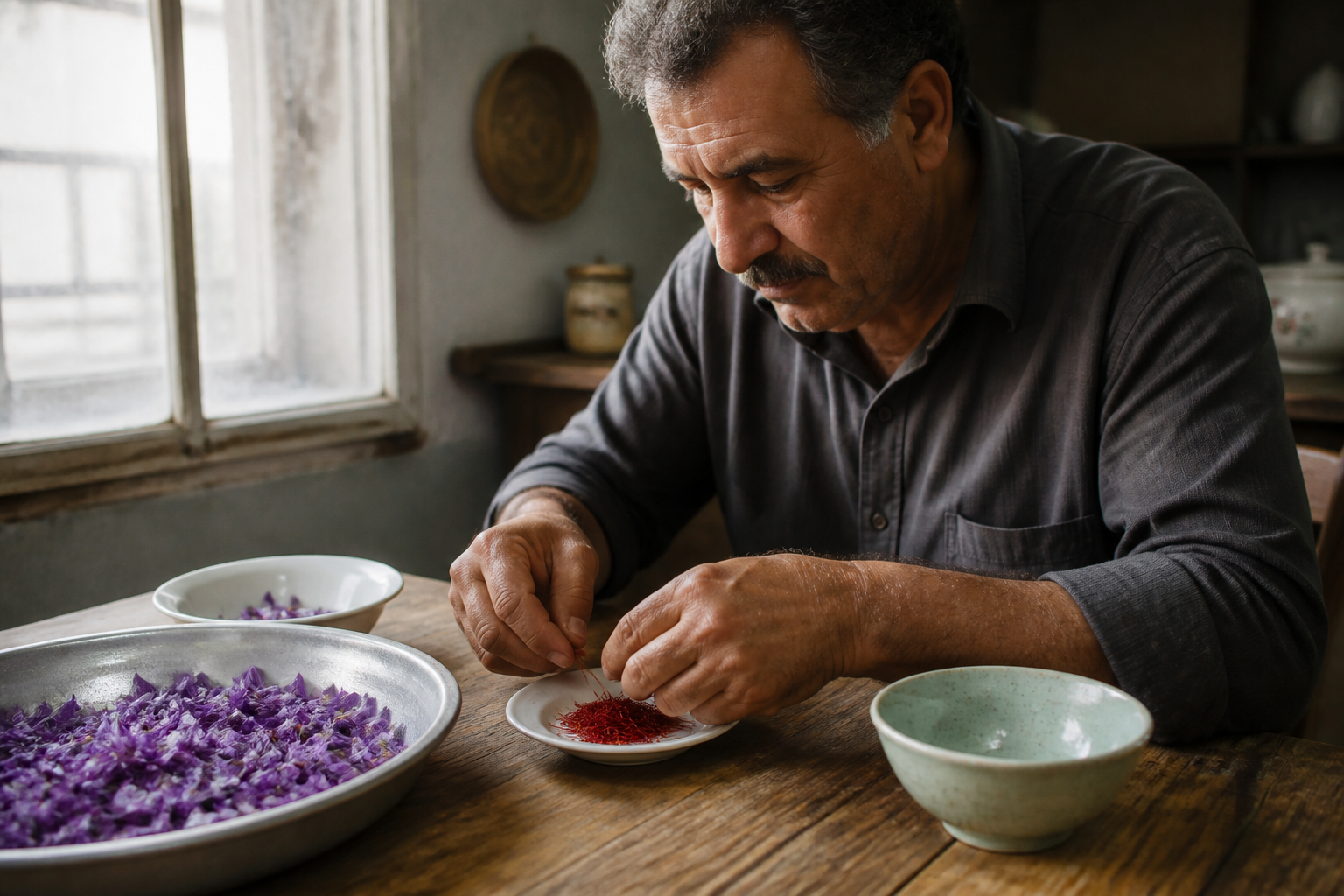
Saffron trials used 30 mg a day of standardized extract, given as 15 mg twice daily, almost all of them in Iranian adults with Alzheimer’s.